RIDDOR reporting is one of the most misunderstood parts of UK health and safety law. Not because it’s complicated on paper, but because real incidents rarely arrive neatly labelled. New to RIDDOR? Start with what RIDDOR is and what it covers.
Employers don’t struggle with obvious cases. They struggle with borderline ones. The injuries that feel serious but might not be reportable. The absences that creep past a threshold. The incidents that look minor until they aren’t.
This guide explains what accidents are RIDDOR reportable, how the categories work in practice, and where employers most commonly get caught out.
Start With the Principle
RIDDOR is about serious harm and serious risk.
It exists so regulators can:
identify dangerous work activities
spot patterns across industries
intervene where risks are not being controlled
It is not designed to capture every workplace injury. That’s what accident books are for.
The first step is always to record the incident internally. Only then do you assess whether it crosses a RIDDOR threshold.
Fatal Accidents
Any work-related death must be reported under RIDDOR.
This includes deaths resulting from:
injuries sustained at work
incidents involving work activities
members of the public where the death arises from work being carried out
There is no discretion here. If the death is connected to work, it is reportable.
Specified Serious Injuries to Workers
Certain injuries are always reportable, regardless of time off work.
These include:
fractures (other than fingers, thumbs, and toes)
amputations
permanent loss or reduction of sight
serious burns
scalping injuries
loss of consciousness caused by head injury or asphyxia
injuries requiring resuscitation or hospital treatment for over 24 hours
This is where employers sometimes hesitate, particularly when medical outcomes are not immediately clear. If an injury later turns out to fall into one of these categories, it becomes reportable.
Recording the incident promptly is what allows that reassessment to happen.
Over-Seven-Day Injuries
If a worker is unable to perform their normal work duties for more than seven consecutive days (not counting the day of the accident), the incident becomes RIDDOR reportable.
This is one of the most frequently missed categories.
Why?
employees try to return too soon
duties are informally adjusted
managers lose track of absence length
RIDDOR looks at whether the employee was incapable of doing their normal job, not whether they were physically present at work.
Light duties can still count as incapacity.
Injuries to Non-Workers
Accidents involving members of the public, visitors, or contractors can also be reportable.
If a non-worker is injured due to a work-related incident and:
is taken directly from the scene to hospital for treatment
the incident must be reported.
This applies even if:
the injured person is not your employee
the injury seems minor at the time
The trigger is hospital treatment arising from a work-related incident.
Dangerous Occurrences (Near Disasters)
Some incidents are reportable even if no one is injured.
These are known as dangerous occurrences and include things like:
collapse of lifting equipment
explosions or fires causing plant shutdown
accidental release of hazardous substances
electrical incidents causing fire or explosion
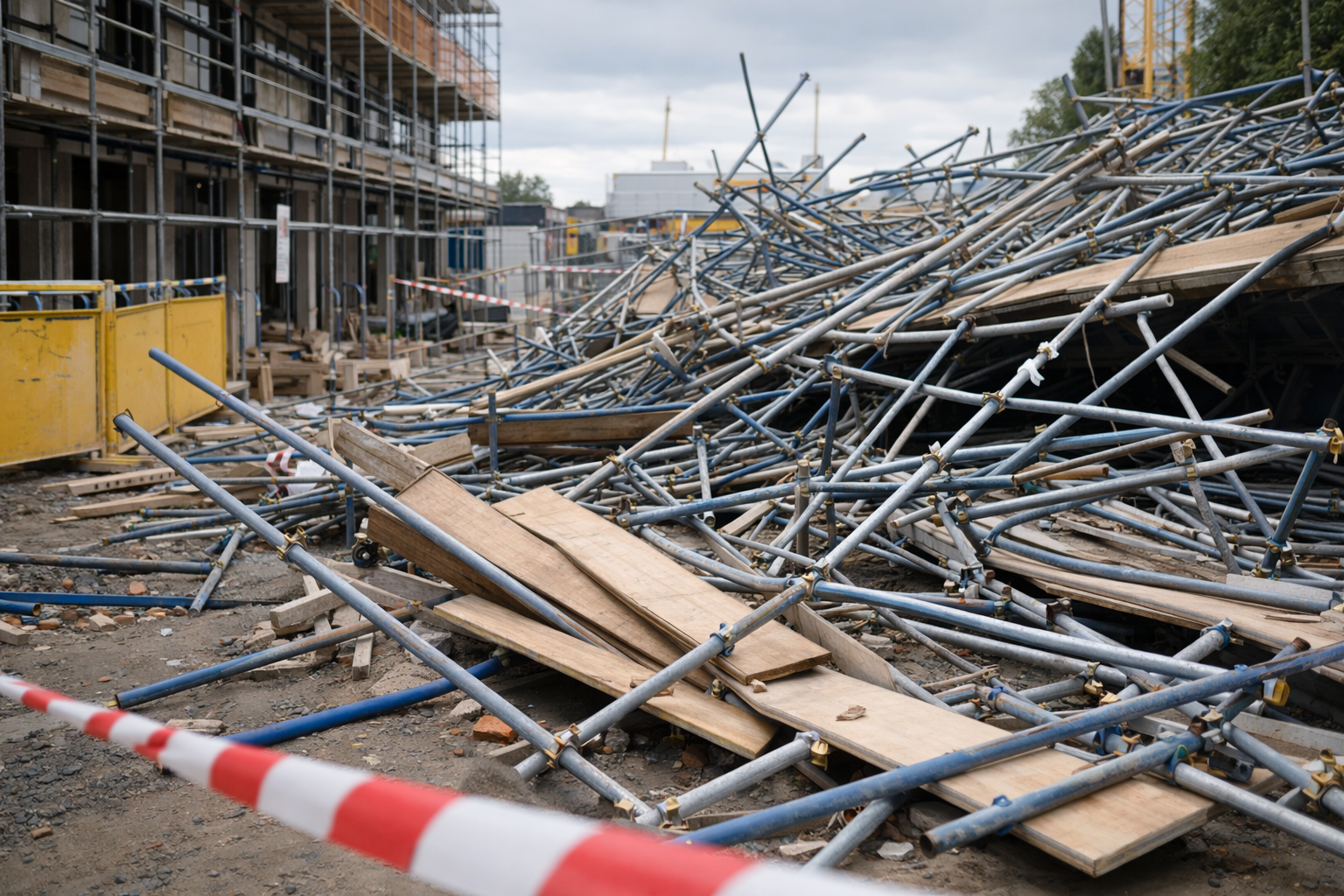
structural collapses
These events are reportable because of the potential for serious harm, not the outcome.
Employers often miss these because “no one was hurt”. That is not the test.
Work-Related Diseases
Certain diagnosed occupational diseases must also be reported.
These include conditions such as:
carpal tunnel syndrome from repetitive work
occupational dermatitis
occupational asthma
hand-arm vibration syndrome
These are usually reported once a medical diagnosis is made and linked to work activities.
The delay between exposure and diagnosis is another reason good internal records matter.
What Is Not RIDDOR Reportable
Most workplace accidents are not reportable under RIDDOR.
Common examples that are recorded but not reported include:
minor cuts and bruises
short-term absences under seven days
slips or trips with no significant injury
first-aid-only incidents
Recording these incidents does not increase regulatory risk. Failing to record them increases uncertainty later.
Where Employers Commonly Get This Wrong
The most common mistakes are:
deciding too early that something is “not serious”
failing to track absence duration
confusing light duties with fitness to work
assuming non-worker injuries don’t count
not revisiting incidents as information changes
RIDDOR decisions are rarely made once, in isolation. They often evolve.
The Role of the Accident Book
RIDDOR compliance depends entirely on accurate internal records.
Without a clear accident record, employers struggle to:
assess seriousness
track timelines
justify decisions
explain actions during inspections
Accident books are not separate from RIDDOR. They are the foundation it sits on.
Reports are submitted to the Health and Safety Executive, but the evidence starts internally.
A Practical Way to Think About It
If an accident happens:
record it immediately
monitor outcomes
review absences
reassess if circumstances change
Do not rely on gut feel at the point of injury. RIDDOR thresholds are about outcomes, not impressions.
Key Takeaway
Only some accidents are RIDDOR reportable, but all accidents should be recorded.
Employers who record consistently can make clear, defensible reporting decisions. Employers who don’t are left guessing after the fact.
RIDDOR is not about volume. It’s about seriousness. Knowing the difference is what keeps employers compliant.