A near miss is an event that did not cause harm but had the potential to cause injury or ill health. The HSE uses this definition in its guidance on investigating accidents and incidents. Near misses are free lessons: they show you exactly where the next accident could happen, before anyone gets hurt.
Near miss examples in the workplace
| Setting | Near miss example |
|---|---|
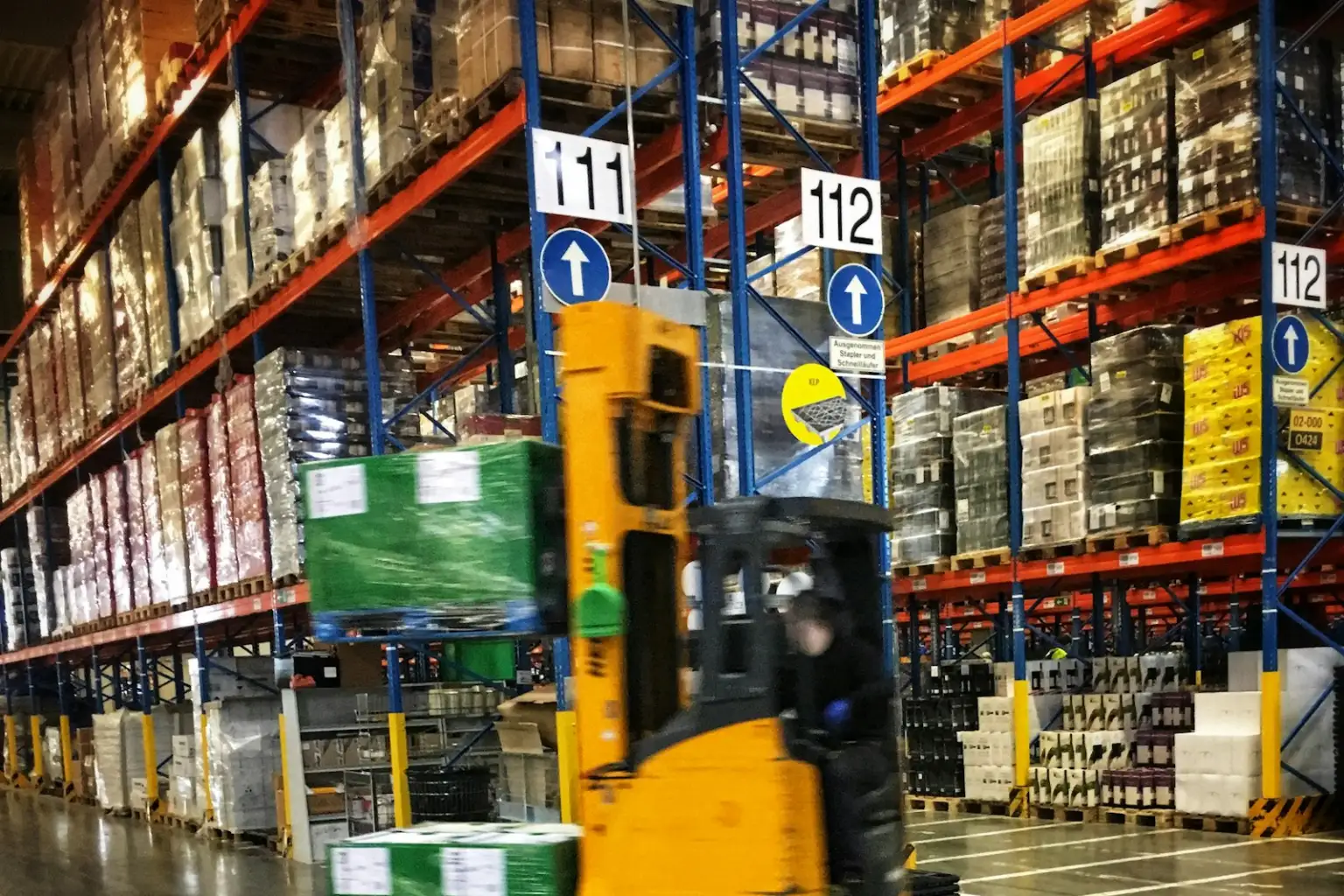
| Warehouse | A pallet falls from racking into an aisle that was empty at the time. |
| Construction | A tool dropped from scaffolding lands next to a worker below. |
| Kitchen | A member of staff slips on a wet floor but catches the counter and is not hurt. |
| Office | A trailing cable trips someone who stumbles but does not fall. |
| Care home | A resident starts to fall from a bed but is caught by a carer. |
| Retail | Stock on a high shelf falls where a customer was standing moments before. |
| Transport | A forklift and a pedestrian nearly collide at a blind corner. |
Near miss vs accident vs dangerous occurrence
- Accident: an event that results in injury or ill health.
- Near miss: an event that could have caused harm, but did not.
- Dangerous occurrence: a specific type of near miss listed in RIDDOR, such as the collapse of lifting equipment or certain electrical incidents, that must be reported to the HSE even if nobody was hurt.
- Hazard: something with the potential to cause harm, such as a wet floor, before any event has happened.
Do near misses need to be reported?
Most near misses do not need to be reported to the HSE. The exception is dangerous occurrences, which are listed in Schedule 2 of RIDDOR and must be reported without delay, and within 10 days. See what is RIDDOR reportable.
There is also no general legal duty to write near misses in the accident book. But recording them is good practice, and it helps you meet your duty to review risk assessments and monitor your health and safety arrangements. Read more in do near misses need to be recorded?
Why near miss reporting matters
- They are early warnings. Safety professionals have long observed that near misses and minor incidents far outnumber serious injuries. Fixing the causes of near misses prevents the serious accidents that share those causes.
- They are cheap to learn from. Nobody is hurt, there is no claim and no absence.
- They build a reporting culture. Teams that report near misses are more likely to report everything else.
What to record for a near miss
- Date, time and exact location.
- What happened and what could have happened.
- Who was involved or nearby, if anyone.
- Photos of the hazard, if it is safe to take them.
- Immediate action taken, such as cordoning off an area.
- What will change to stop it happening again.
How to encourage near miss reporting
- Make reporting quick. If it takes more than a minute, most people will not bother.
- Do not blame the person who reports.
- Show that reports lead to action, and tell the team what changed.
- Let people report from wherever they are, not only from the office.
Record near misses in seconds
With Accident Book, staff scan a QR code, tap “No, it was a near miss” and describe what happened. Managers are alerted straight away and can filter near misses separately to spot hazards across every site.